
The United States has declared the end of the initial offensive phase of its military campaign against Iran, as tensions in the Gulf region shift from open strikes to a fragile ceasefire and escalating economic and maritime pressure around the Strait of Hormuz.
Speaking to reporters, US Secretary of State Marco Rubio confirmed that “Operation Epic Fury” — the joint US-Israeli offensive phase of the conflict — has been concluded, saying Washington had achieved its immediate military objectives.
“Operation Epic Fury is concluded. We achieved the objectives of that operation,” Rubio said, adding that the offensive stage of the war was now over and that President Donald Trump prefers a negotiated settlement with Tehran.
Rubio said the next phase of US policy would focus on diplomacy, including a proposed memorandum of understanding on reopening the Strait of Hormuz, a vital global shipping route that has been heavily disrupted during the conflict.
However, he warned that Iran had not yet agreed to return to negotiations, saying the alternative path for Tehran would be “growing isolation, economic collapse, and ultimately total defeat.”
The announcement comes after weeks of heightened confrontation that began with a large-scale escalation on February 28, when US and Israeli forces launched coordinated strikes inside Iran, triggering a rapid regional response and a chain of retaliatory actions across the Middle East.
Following the initial strikes, Iran responded with missile and drone attacks targeting US-linked military and logistical assets in the region, while also moving to restrict access through the Strait of Hormuz, a chokepoint through which a significant share of global oil and cargo shipments pass.
The disruption led to widespread maritime uncertainty, with commercial shipping lanes affected and multiple vessels reportedly stranded or rerouted. Rubio said the US had since deployed air and naval assets to establish what he described as a protective “bubble” to escort commercial vessels through the waterway.
He insisted the US operations were defensive in nature. “There’s no shooting unless we’re shot at first. We are only responding if attacked first,” Rubio said, warning that any direct attack on US vessels would be met with “lethal efficiency.”
Rubio also said Washington was acting “as a favour to the world” by ensuring continued maritime movement through the Strait, noting that stranded vessels were carrying essential goods such as fuel, fertiliser, and humanitarian supplies.
“They’re at the mercy of this situation. Not ours,” he said, adding that US forces were stepping in because only Washington has the capability to project power in the region.
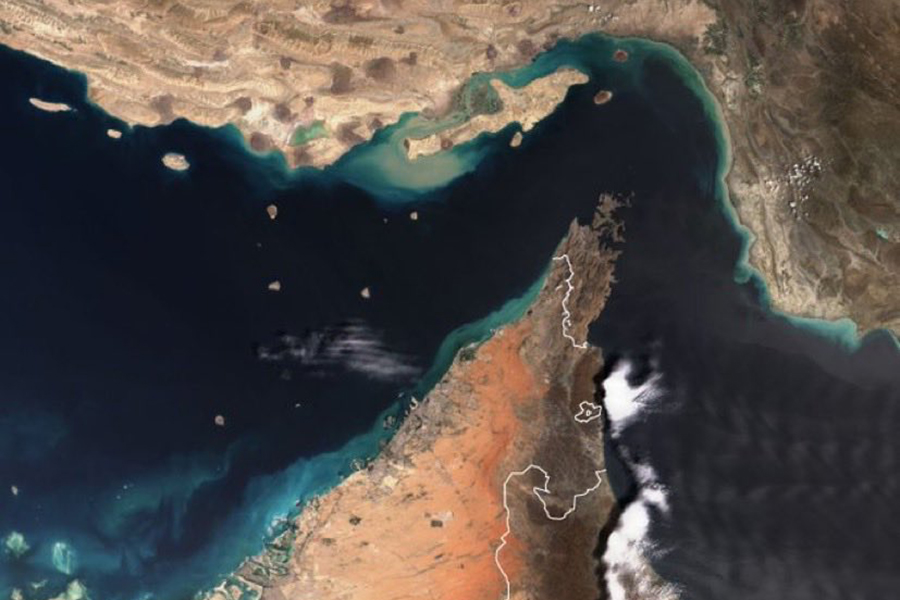
The US secretary of state further accused Iran of attempting to assert control over the Strait of Hormuz, calling such actions “completely illegitimate” and warning that international law does not permit any country to dominate a global shipping route.
He confirmed that Washington is pushing forward with what he referred to as “Project Freedom,” a naval-led effort to secure passage for commercial shipping while diplomatic efforts continue.
Rubio said Washington’s preference remains a negotiated settlement with Tehran, including guarantees on maritime access and regional stability.
“The president would prefer a deal with Iran that includes reopening the Strait of Hormuz,” he said. “That is not the path Iran has chosen so far.”
Despite the announcement of the end of the offensive phase, uncertainty remains over whether the ceasefire will hold. Analysts note that the heavy military presence in and around the Strait of Hormuz, combined with unresolved political tensions, leaves the region highly volatile.
Negotiations between Washington and Tehran have so far failed to produce a lasting agreement, with both sides maintaining hardline positions on sanctions, security guarantees, and regional influence.
While Rubio framed the situation as moving toward diplomacy and stabilisation, the broader conflict remains unresolved, with economic pressure, maritime restrictions, and military readiness continuing to define the uneasy post-offensive phase.
